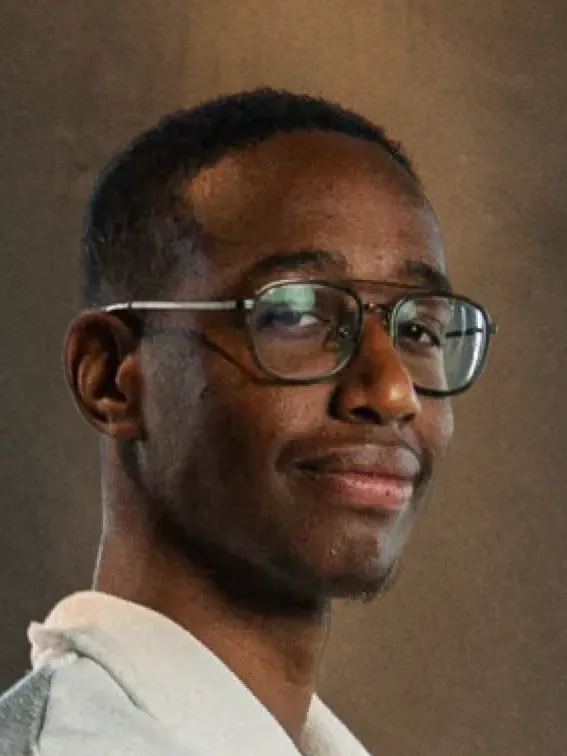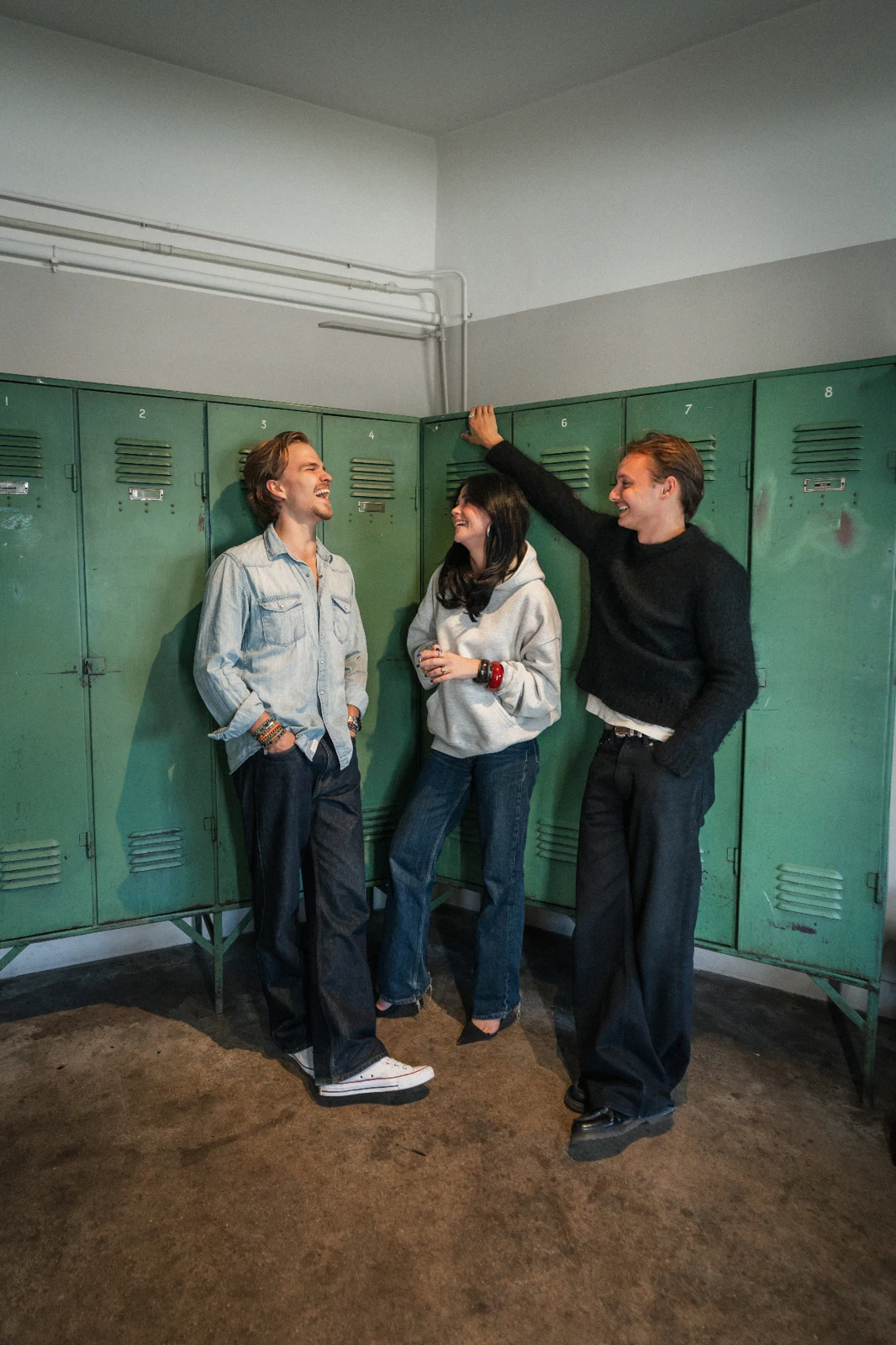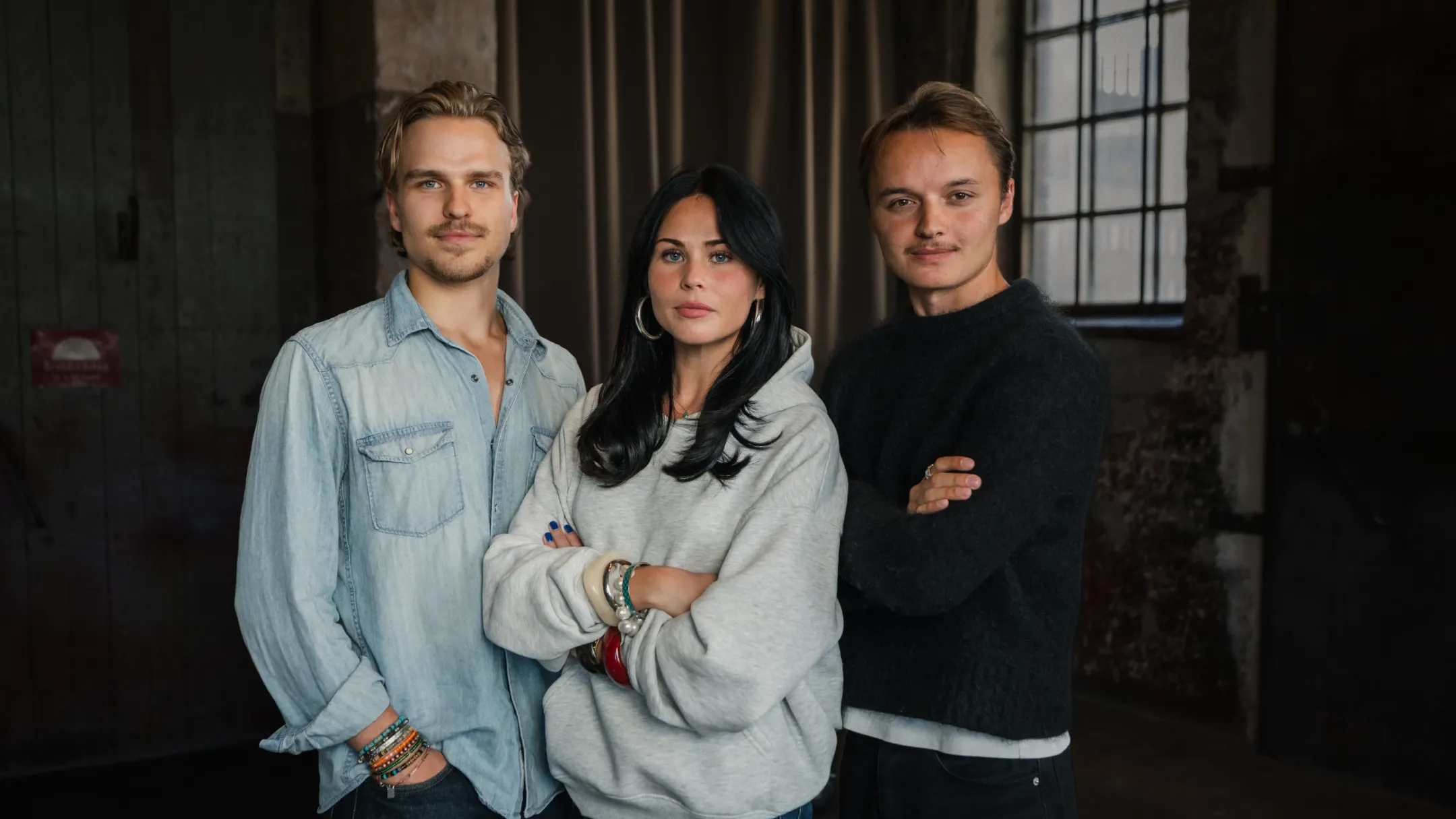
From a very young age, Andreas, Isabel, and Eric were obsessed with becoming entrepreneurs. Each one started building companies on their own, long before they met.
When they ended up at the same university, they bonded over a shared frustration: school wasn’t built for how students actually learn. That gap is what they set out to fix together.
They discovered they had all independently built personalized AI study apps to keep up with their coursework. “The course material is like a massive data set where you can only see a limited amount of patterns,” says Andreas. “When I threw in AI, I could see so many more connections, and that’s what let me make it personal.”
 Klar
Klar"Education should be the first frontier for AI, not the last. Our generation’s challenge is to adapt to a future nobody can predict. And the one thing we know is that learning will become the core skill for us to compete with AI."
There was so much demand for better AI learning tools — not to cheat but to learn more efficiently. Isabel’s friends begged her to share her makeshift AI study tool, even offering to pay for it. “They were more interested in this little side project I had built to help myself study than my actual startup,” she says.
The three of them knew they were onto something. They dropped out, moved into a 25-square-meter apartment (complete with foldable beds), and decided to create an AI system from the ground up to help every human learn faster.
A little coding help let them focus on going viral
There was one small catch: none of them had much programming experience. Isabel had battle scars from her last attempt to build an app. She had hired dozens of developers offshore and spent thousands of dollars building an app that never even met her standards for an MVP.
Andreas, a product designer by training, had been introduced to Lovable earlier that year. “I’d always been frustrated that I couldn’t build what I designed,” says Andreas. “When I realized Lovable could make whatever I wanted, I was like ‘Holy shit, this is the best thing I’ve ever seen in my life.’”
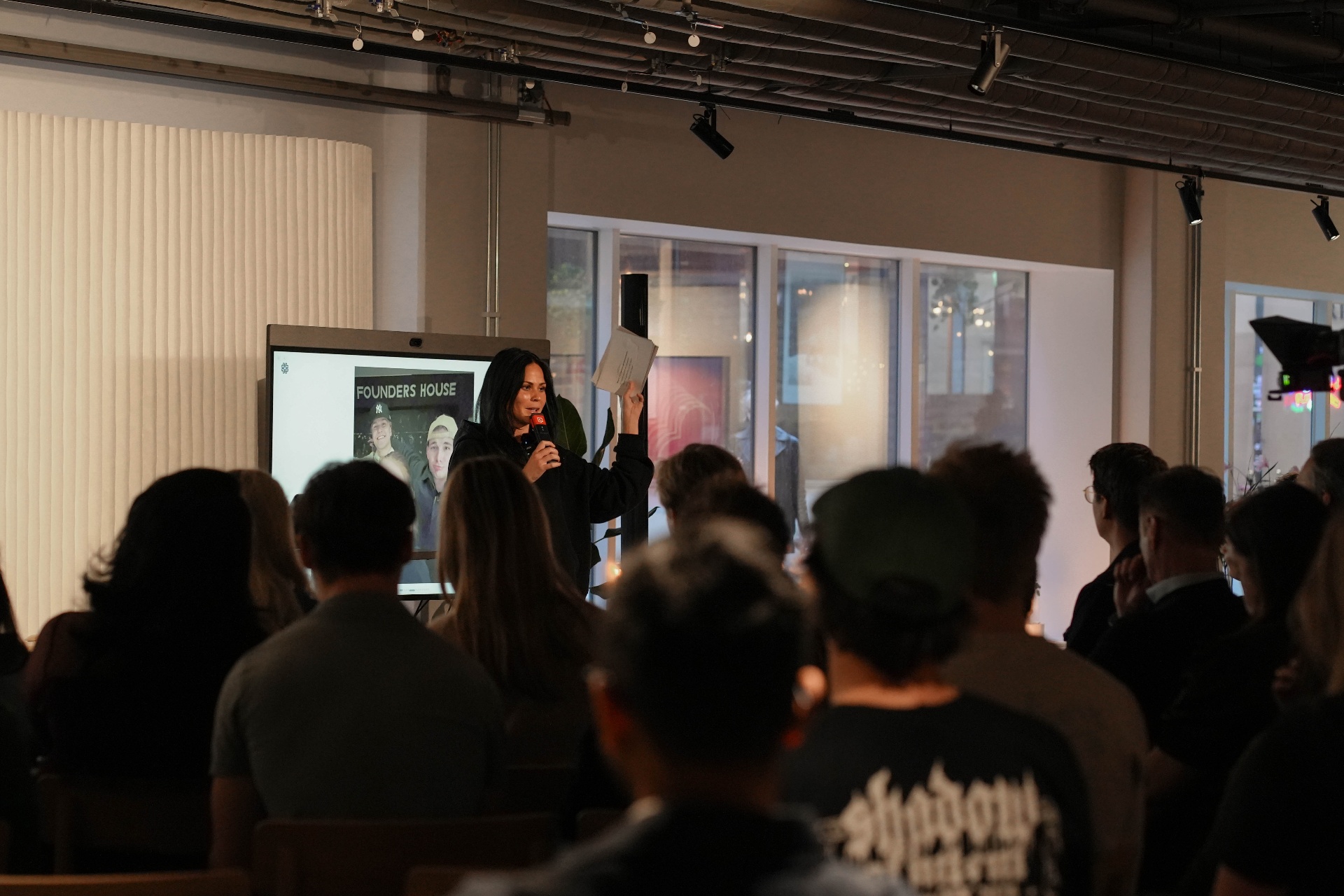
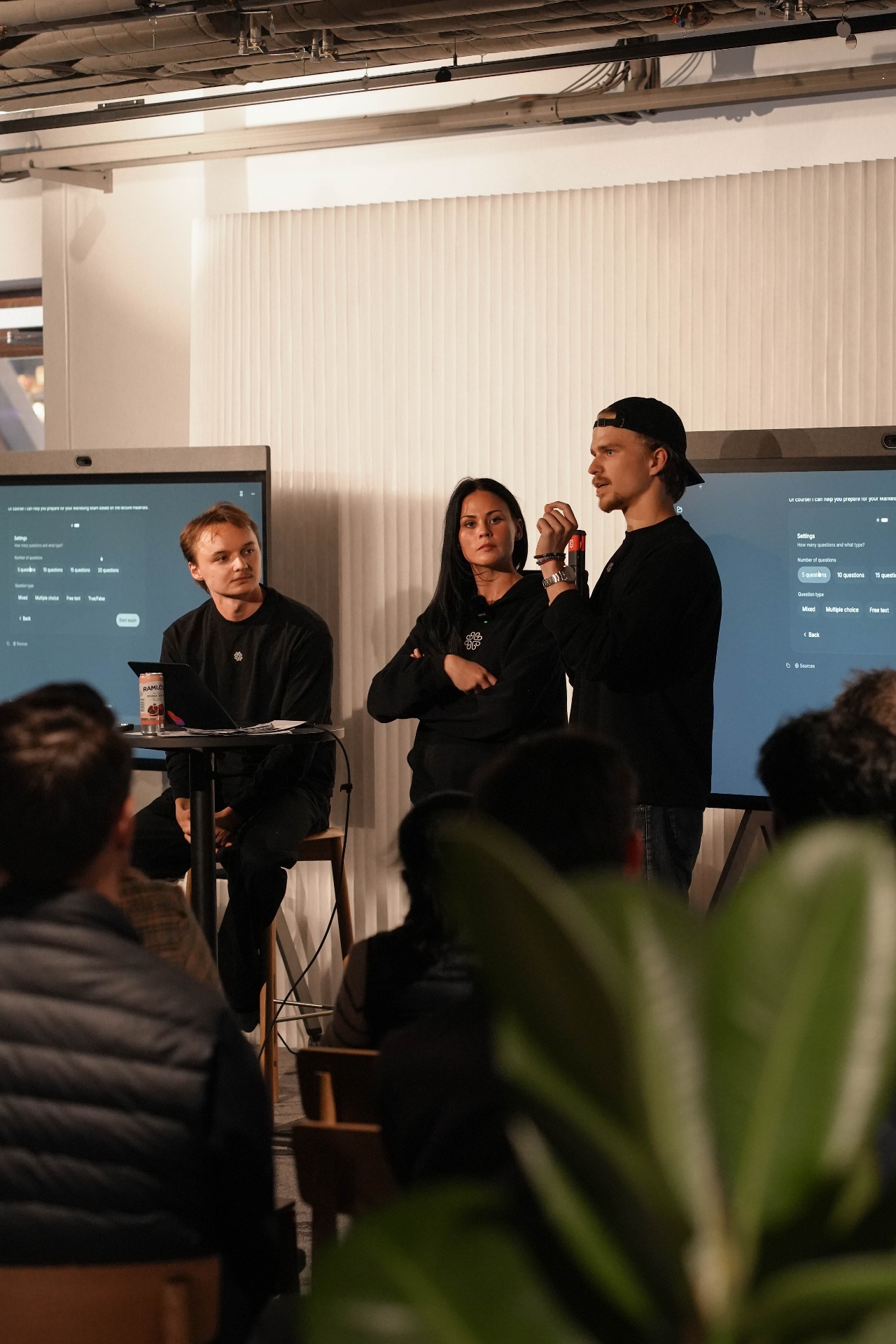
Over the course of a few weeks, he started describing to Lovable exactly how the team wanted the app to look and work. The result was Tentaklar — “exam-ready” in Swedish. Students had always studied past exams to prepare for the next exam. Tentaklar made that process far more efficient by ingesting old exams that were public record, processing students’ lecture notes, and predicting their next exam.
With Andreas and Lovable handling the product development, Isabel and Eric focused on what they did best: marketing the heck out of Tentaklar.
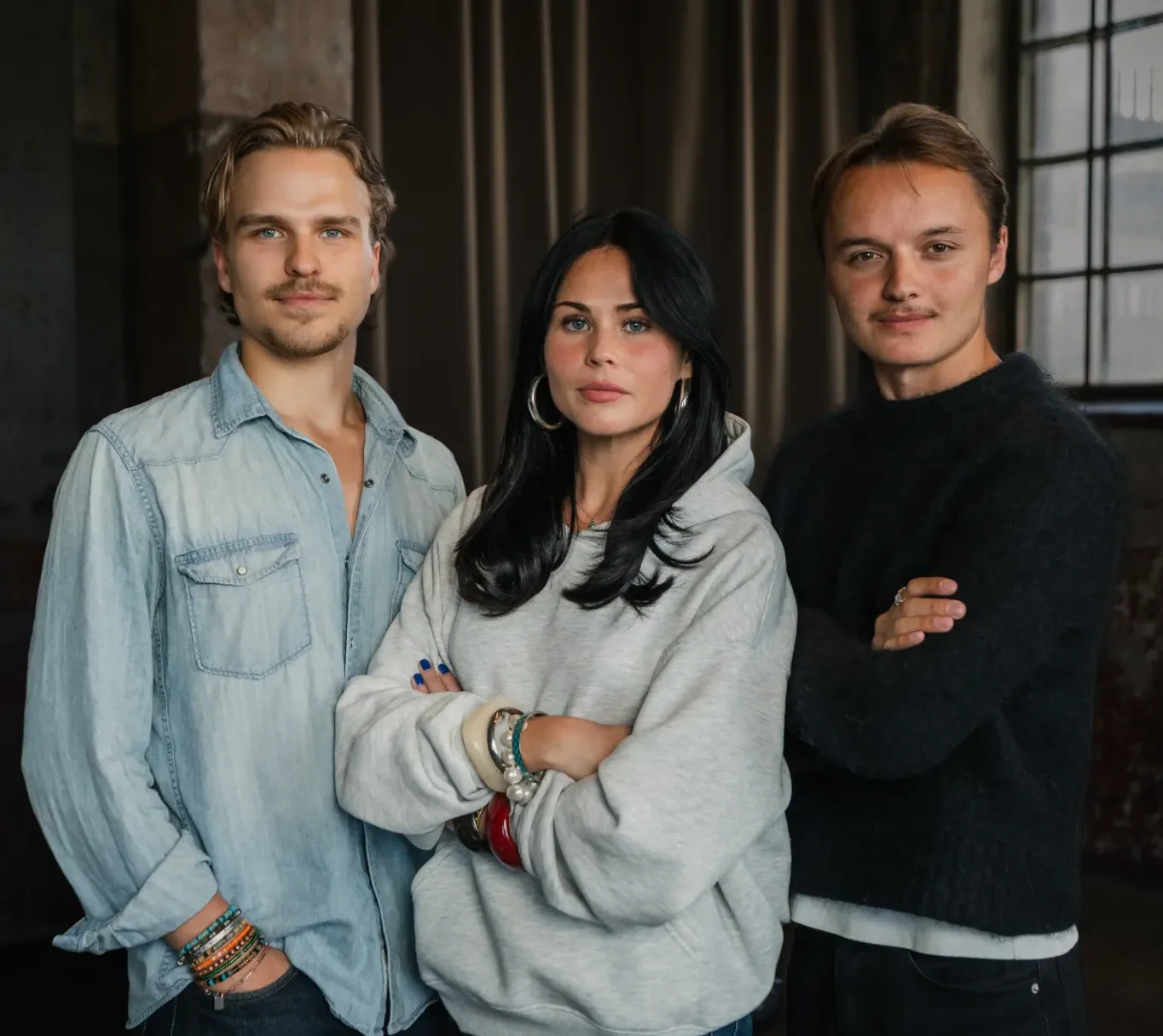
“The acquisition offer was just another signal we’re onto something great. We don’t want to let it go.”
KlarTheir promotion plan worked a little too well—one of their first social media campaigns went viral and got them into hot water. “The administration pulled us into a board meeting and told us to stop promoting Tentaklar and encouraging students to use AI,” says Andreas. He tried to explain that the app merely automated and personalized what students were already doing to prepare for exams, but the universities were skeptical.
They couldn’t understand why AI was still banned in many universities, even as students were expected to enter an AI-native workforce. They knew they were going against the grain, but that only motivated them more.
To the universities’ disappointment, Tentaklar went viral on campus. 2,500+ users signed up within two days of the launch, with another 4,000 on the waitlist. By the end of the first month, ARR grew to €130K, entirely organically.
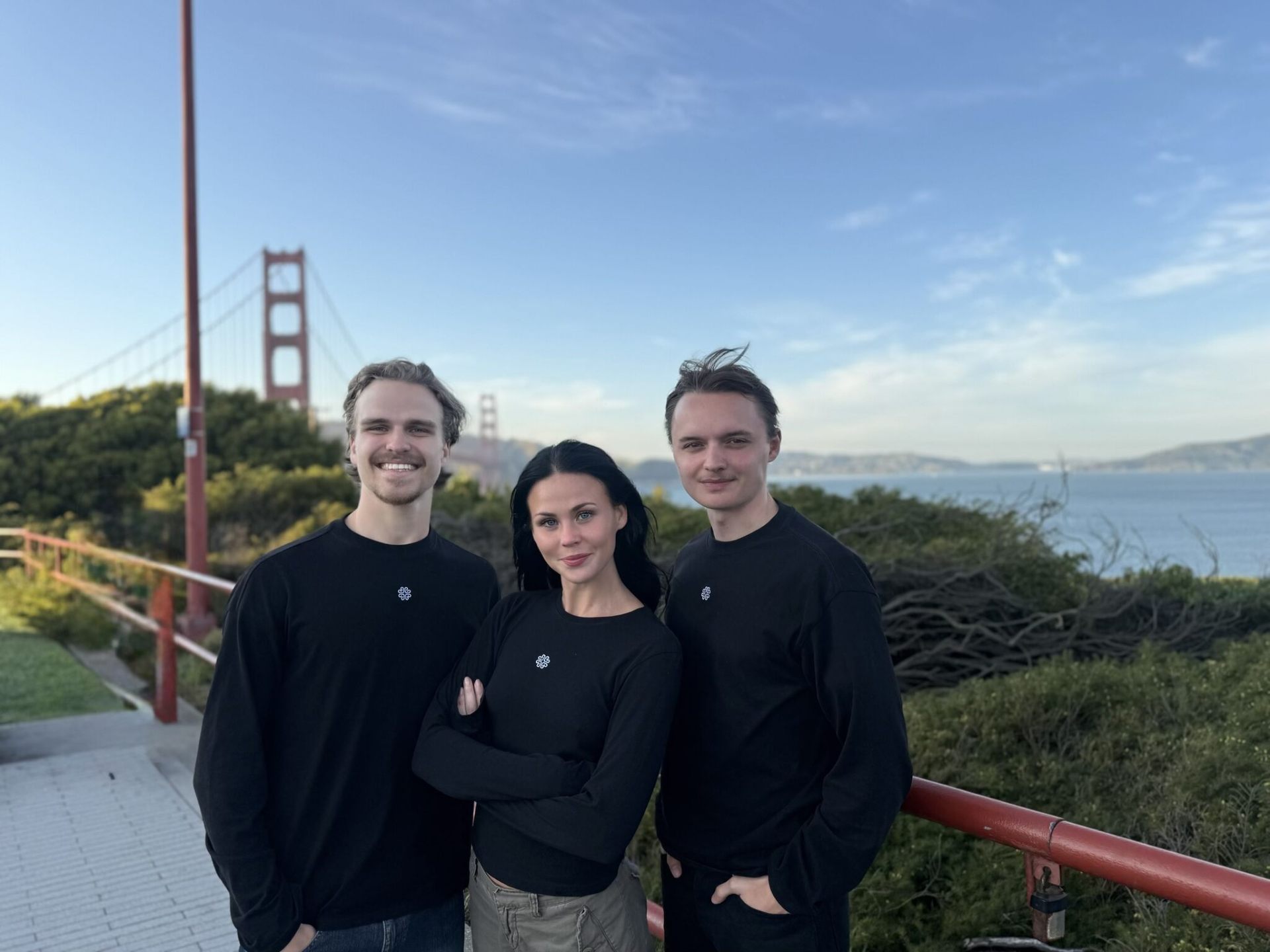
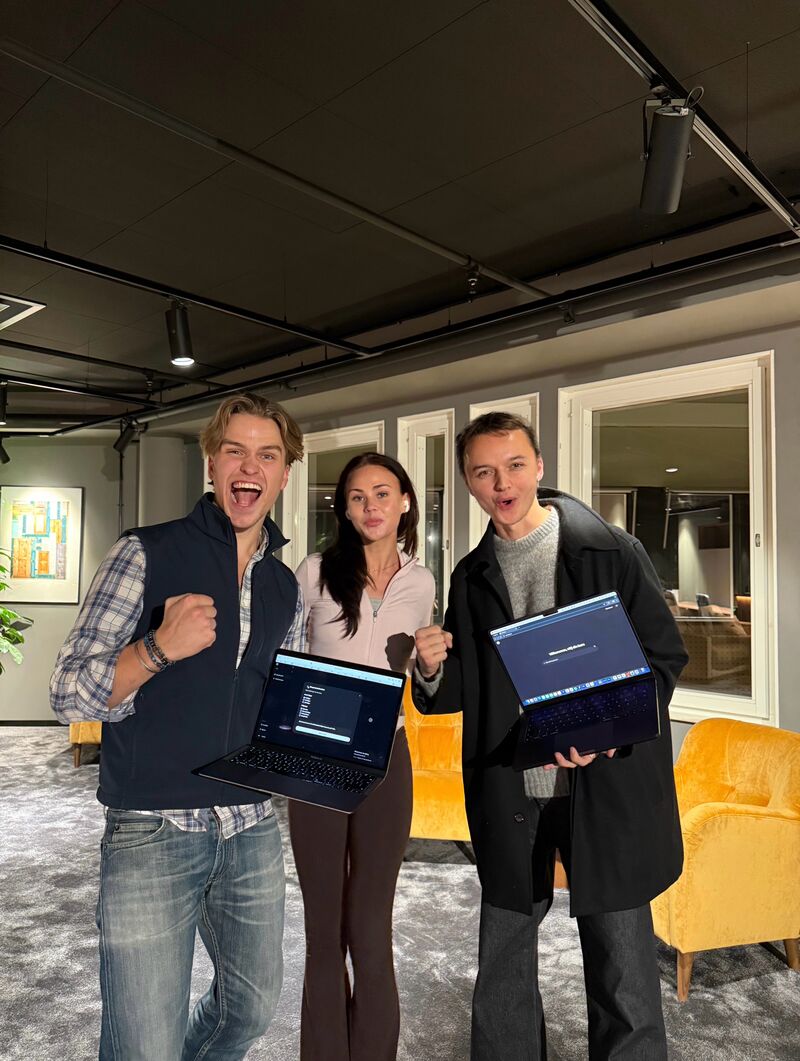
A few months later, Andreas, Isabel, and Eric were invited back to the university boardroom, except this time the university wasn’t reprimanding them. “The administration realized they have to work with us because so many students were already using it,” says Andreas. “And now they understand what we’re trying to do.”
A personalized tutor for every student
Tentaklar has since evolved into Klar, an AI agent that’s changing the way humans learn. Klar pulls from hundreds of thousands of courses across every university in Sweden — and if a course isn’t listed, students can build their own workspace and upload whatever they have: lecture notes, old exams, reading lists and more.
- Personalized learning tools: Klar doesn’t just answer questions, it generates practice exams, flashcards, podcasts, and other learning tools directly in the chat, adapted to the course material and how each student learns.
- Proactive AI agent: You don’t need to know where to start. Klar’s agent asks questions and guides the learning path based on the course material. No complicated prompts needed. The first message can be as simple as saying, “Hi.”
- Trustworthy and secure: Klar cites its sources and links to exact passages. It’s connected to frontier models like GPT, Claude, and Gemini but it never pulls from the internet or hallucinates. It is GDPR compliant, EU-hosted, and end-to-end encrypted.
Klar has become the teacher that every student wishes they had. “Learning right now is one-size-fits-all,” says Eric. “When you’re at a lecture, the professor explains everything in one way.” In contrast, Klar tailors its approach to each student. “Whether you’re a visual, auditory, or some other kind of learner, the agent will figure out the best method for you to understand a concept.”
Business is booming faster than the team can handle. They have a long-term partnership in the works, worth up to €128K. Twenty hours later, an even bigger partnership opportunity came their way, worth up to €649K. They’ve also announced a partnership with the Swedish business student association, worth up to €7.5M ARR. They’ve even been offered an exit, but they turned it down. “The acquisition offer was just another signal we’re onto something great,” says Isabel. “We don’t want to let it go.”
From Sweden to every campus
Isabel, Andreas, and Eric aren’t sitting in lecture halls anymore. Instead, they’re on the road promoting Klar at universities across Sweden, with expansion to US campuses already in motion.
“Education should be the first frontier for AI, not the last,” says Isabel. “Our generation’s challenge is to adapt to a future nobody can predict. And the one thing we know is that learning will become the core skill for us to compete with AI.”
In their usual fashion, Andreas finishes her thought: “I want to give every thinker, builder, and visionary the tools they need to learn, not to replace their mind, but to set it on fire. I think that’s the biggest hope for humanity. If we don’t do that, we will lose humanity.”
The team is still bootstrapped and struggling to keep up with demand, so they’ve launched an ambassador program to expand their reach. “We’re trying to figure out how to be in five places at the same time,” says Isabel. It’s a daunting journey, but the team is excited to expand beyond Sweden and close more long-term partnerships.
Most of all, they’re grateful to have each other. “It’s amazing to see how we complement each other but also share the same mindset,” says Isabel. “It feels like we’re unstoppable.”
 QuickTables
 Saath
Saath
 WeGlow
 WNTD
WNTD
 AVARA
AVARA