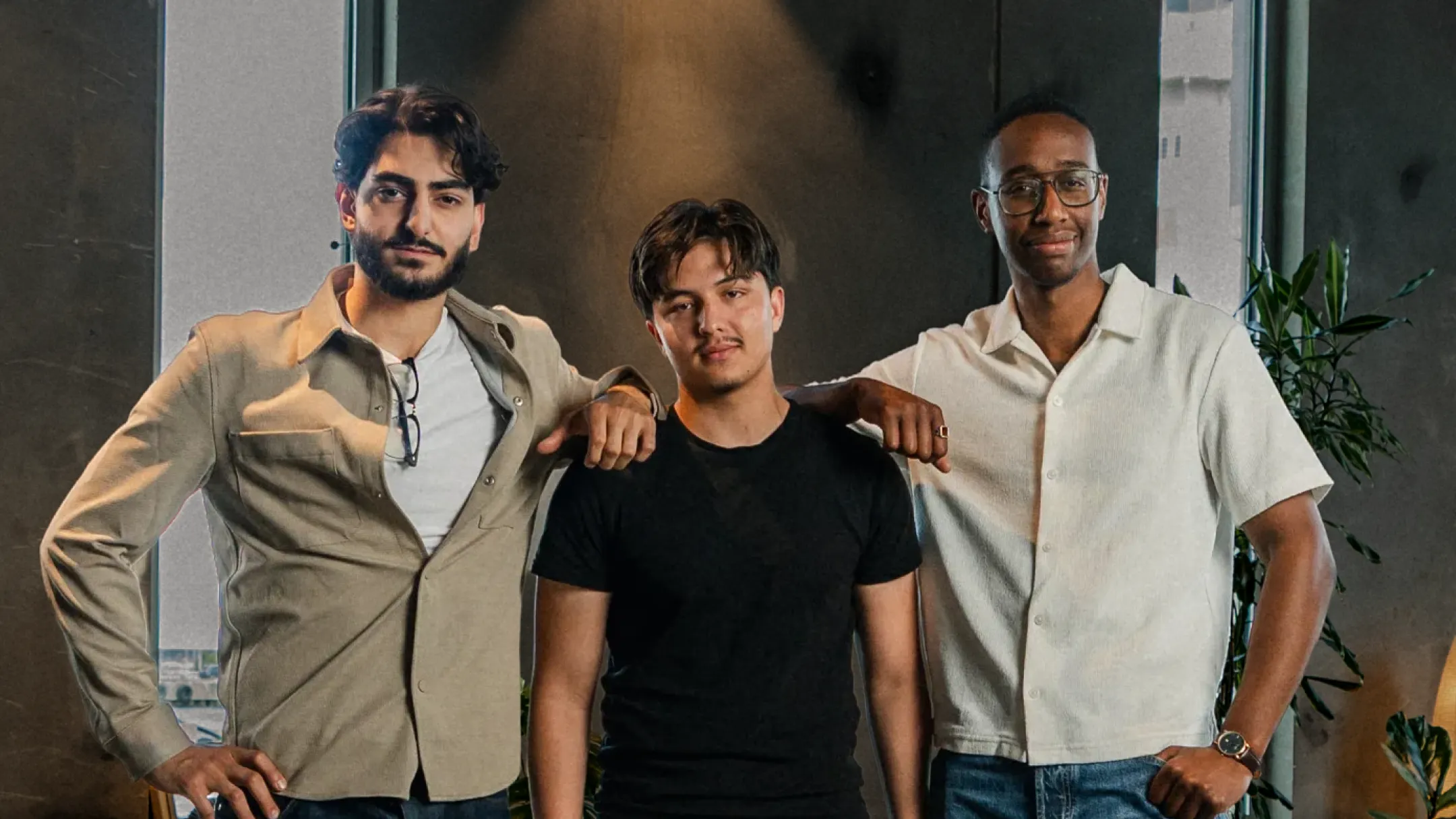
Jaleel's childhood didn't lend itself to entrepreneurship. He grew up in Gamlegården, one of the poorest areas in Sweden. "I wasn't surrounded by startups or investors. But I've always been an entrepreneurial person," says Jaleel. As a kid, he sold pencils to forgetful students during national exams. Years later, bored out of his mind in a sales job, that same instinct kicked in. He noticed that his co-workers didn't know where to eat lunch, so he went down to the restaurants below his office and told them they should market themselves better. They wanted to, they said, but they didn't know how.
 QuickTables
"Most of the time, the biggest chains don't have the best food. They just have better marketing. We want to give every restaurant the same tool stack as McDonald's or Max so they can compete on even terms."
Lunchtime conversations turned into a business opportunity
At first, Jaleel started helping the neighborhood restaurants—Brödernas, a local hamburger chain, and Noi's, a family-run pizza shop—with SMS marketing. But once he got to know their businesses better, the floodgates opened: "My customers told me over and over again how delivery companies like Foodora and Uber Eats were really milking them, taking 30-40% of their profits, which forced them to mark up prices." Many restaurants couldn't find reliable ways to build websites, either paying developers way too much or asking family members to cobble together basic Wix and WordPress sites, with no backup plan if something broke. Here was this massive gap in the market, and as far as Jaleel knew, no one was filling it.
One day, his boss reprimanded him for spending too much time on his lunch break talking to the restaurants. For Jaleel, this was the nudge he needed. "The opportunities I was seeing downstairs were way more exciting than what I was doing upstairs." So he quit his job, and his idea grew from SMS marketing and websites into a platform that could run a restaurant's entire marketing operations.
The 60-day challenge
Jaleel didn't have a safety net. He had just 60 days to turn a profit, or he couldn't pay rent. That deadline motivated him to move fast when others would have wasted weeks doubting themselves.
Jaleel was confident in his salesmanship but needed someone with coding experience. "We had worked on a prior app together," says Jaleel. "I saw Hussein spend countless nights toiling away at block coding. So I knew he was the right guy for the job."
Hussein told him his idea was possible, but it would cost $500K to build it. So Jaleel walked into his local startup accelerator and asked them how to raise that kind of capital. They paired him with a mentor investor who changed everything: "He told me, 'I don't think you need $500K. There's this tool called Lovable. Try it before you raise a round.'"
That night, Jaleel opened up Lovable and asked it to make a hamburger restaurant website. Within a few minutes, there it was in front of him. "I told Hussein, screw the investment, we can build our startup with Lovable," says Jaleel. "In that second, I felt infinite possibilities. It was like me and Hussein had found a magic artifact to outcompete the market."
Hussein was shocked by how fast he could build out different features: "I'd always been the coder, but now I could think like a team leader," says Hussein. "Lovable was like a team of developers I managed." Within six weeks, they built QuickTables, though the only reason it took that long was because the current Stripe and Lovable Cloud connectors didn't exist yet. Recently, Jaleel asked a hiring candidate to rebuild the first version of QuickTables during an interview. The candidate built it in one day.
A big chain marketing stack for every local restaurant
Today, QuickTables has grown from a simple SMS marketing tool to an end-to-end restaurant management platform, including:
- Website builder: A beautiful website, ready in under an hour. QuickTables handles the design, the mobile optimization, and the search ranking so restaurants show up at the top of Google and take orders directly — no intermediaries taking 30-40% off the top.
- Online booking and takeaway: Bookings and takeaway orders go directly to staff, not a third-party platform. Built-in offers raise how much customers spend per order, and restaurants keep up to $33 a month they'd otherwise pay in fees.
- SMS and email marketing: Built-in SMS and email campaigns let restaurant owners reach out directly to customers to fill empty tables, adding up to $400 a month in revenue for the average QuickTables restaurant.
- Loyalty program: QuickTables comes with a built-in points system so customers earn in-app rewards on every order and keep coming back.
- App and mobile experience: Every restaurant gets its own branded app so push notifications, loyalty rewards, and campaigns land directly in customers' pockets.
"Most of the time, the biggest chains don't have the best food. They just have better marketing," Jaleel says. "We want to give every restaurant the same tool stack as McDonald's or Max so they can compete on even terms."
Scaling the team and the business
To round out the team, they added two more co-founders: Jaleel's childhood friend Morten, who took over customer research and expansion into Oslo, so Jaleel could focus on selling in Sweden, and Zanyar, a "genius" who watches the broader market and steers the company's long-term future.
Together, they drove €100K ARR in just two months after launch. To date, they've handled 80K transactions across Sweden, Norway, Denmark, the UAE, and the UK, and the team has grown to 15 people. The coolest part? "There have been no manual lines of code written whatsoever," says Hussein. "It's all 100% Lovable."
Over time, the team collected valuable customer data from the heatmaps they built and clickthrough rates. And the brand itself was becoming a well-known name across the restaurant industry. Just 10 months in, QuickTables was acquired by a Dutch asset manager. "Our goal was to grow our local restaurants, but our acquirer wanted to grow the food market within all of Sweden. It was a clear alignment as soon as we heard that."
“My story is the everyman's story. You don't even have to invent a problem. Just look around, see what people are struggling with. Then tell them, let's solve it together.”
QuickTablesFrom QuickTables to QuickSolutions
Looking back, Jaleel can't believe how quickly he's ended up where he always wanted to be: a founder. "I feel like I manifested a company out of nothing and made a livelihood for myself, the team, and the local economy." Now, all he thinks about is how to do it all over again. "We built QuickTables, and now we want to build 'QuickSolutions'—ten more problems, ten more companies."
With the acquisition just a few months behind them, the team is already focused on solving the next problem: sales training. It's one they experienced firsthand when they needed to grow their team fast and get every rep selling with confidence. They built an internal tool called Closer to help sales teams train and get coached by AI. "When we were selling QuickTables, we had our reps practice against AI before real calls to sharpen their skills," says Jaleel. "It helped more than we expected. Now we're bringing it to other businesses, so every salesperson can start selling like their best rep."
"My story is the everyman's story," Jaleel says. "Move to a new city, find a problem to solve, and start selling. You don't even have to invent a problem. Just look around, see what people are struggling with. Then tell them, let's solve it together. Let's go on this great journey."
 Klar
Klar
 Saath
Saath
 WeGlow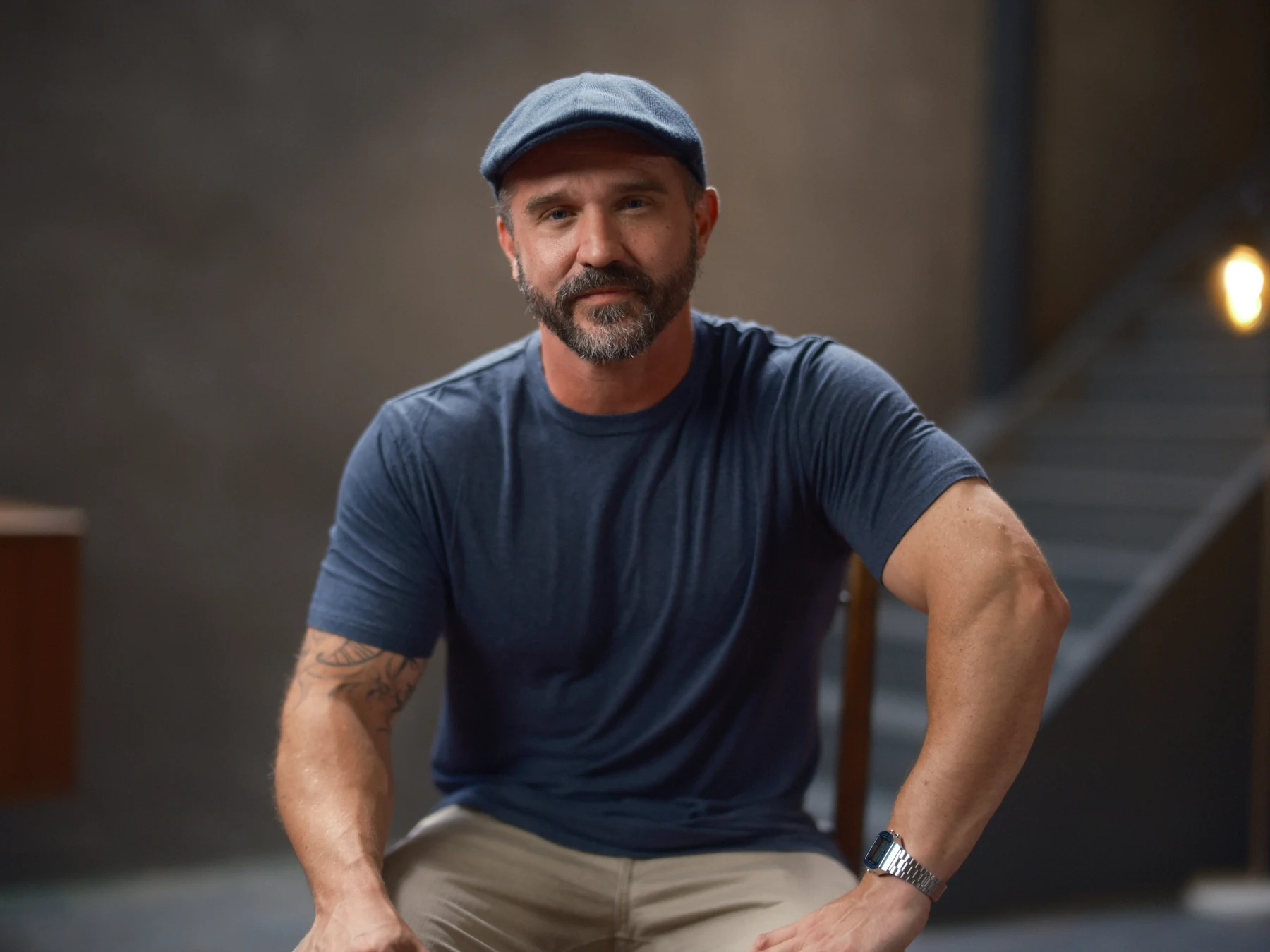
 WNTD
WNTD
 AVARA
AVARA