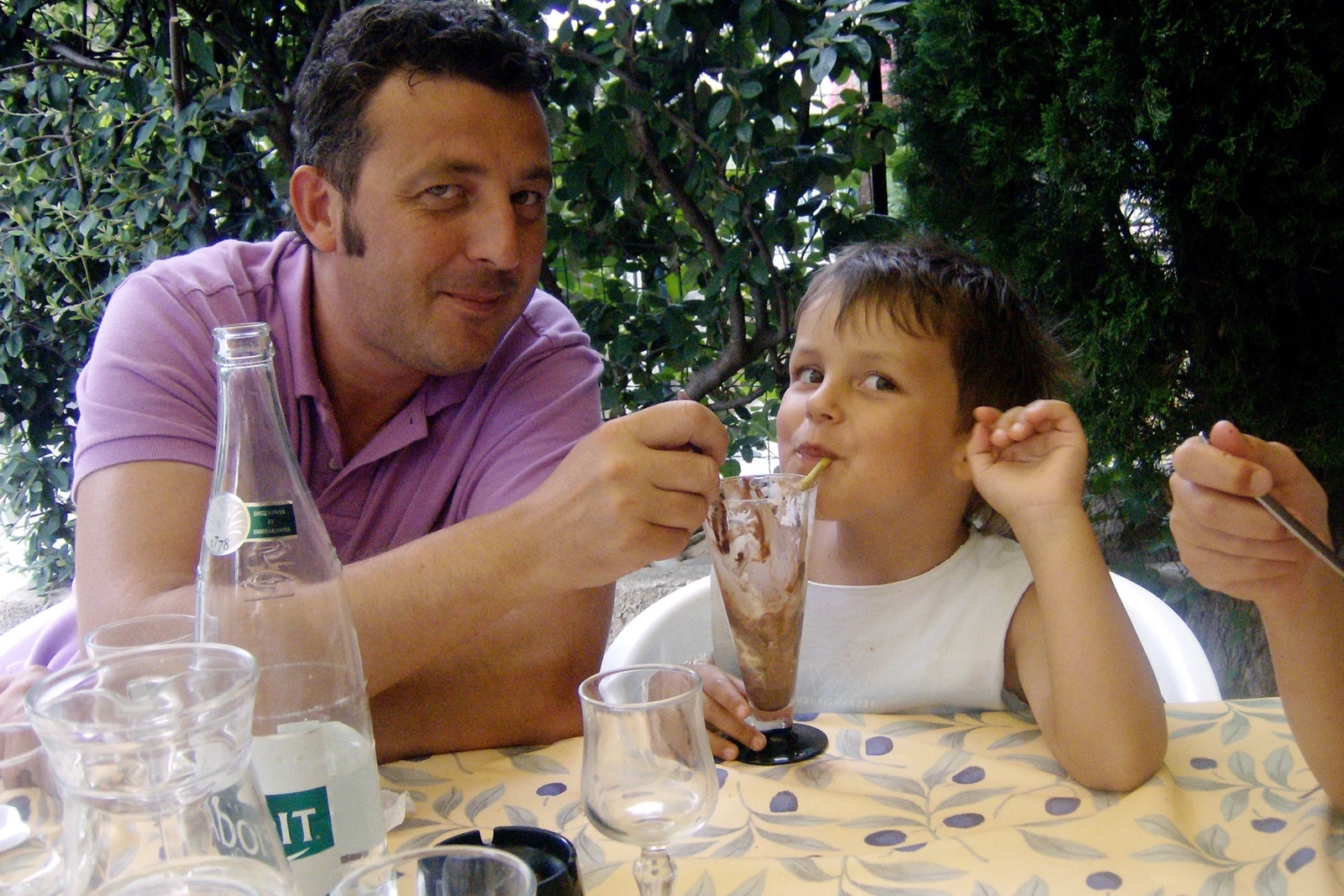
For as long as Quinten Dockx can remember, lighting a candle has meant something in his family. Quinten’s father has lived with a serious illness for 15 years and before each of his hospital checkups, Quinten would send him a simple message: I’m lighting a candle for you. His sisters did it. So did his father’s friends. The candle became a meaningful way to show support.
It was a small gesture, but his father saw something bigger in it. What if they could bring all those candles together? What if you could look at a map of the world and see each act of support glowing on it? With each candle representing a donation. That idea became WeGlow.
“My dad’s idea is where WeGlow started and why it exists,” says Quinten. “It was his dream to see it in reality, and it’s been amazing for him to see it come to life.”
Today, more than 35,000 virtual candles have been lit through WeGlow, helping to raise more than €1.3 million for nonprofits. But going from a family ritual to a fundraising platform used by more than 100 organizations took a few unexpected turns, including one that happened in a day.
The outsourced MVP that almost ended WeGlow
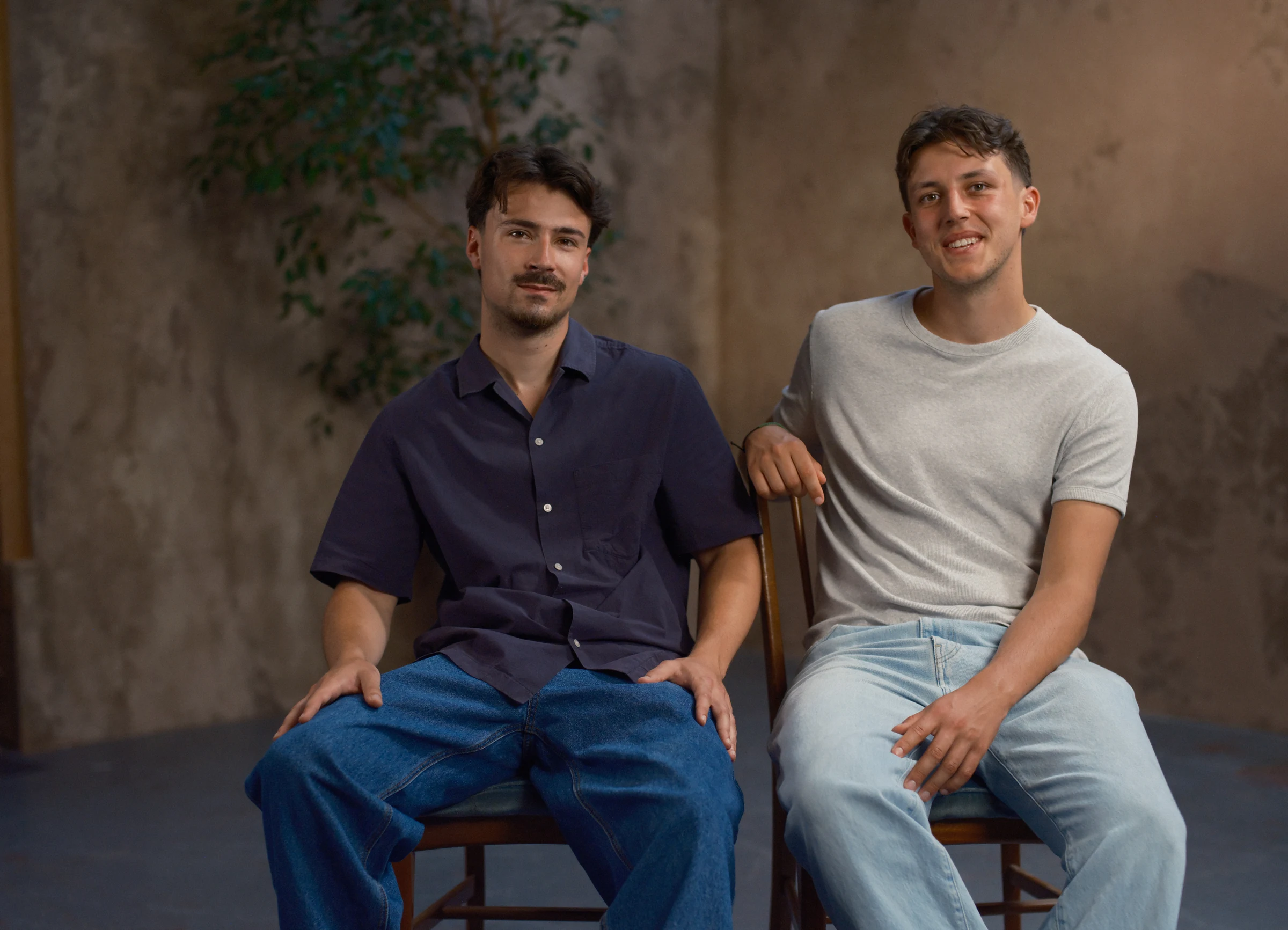
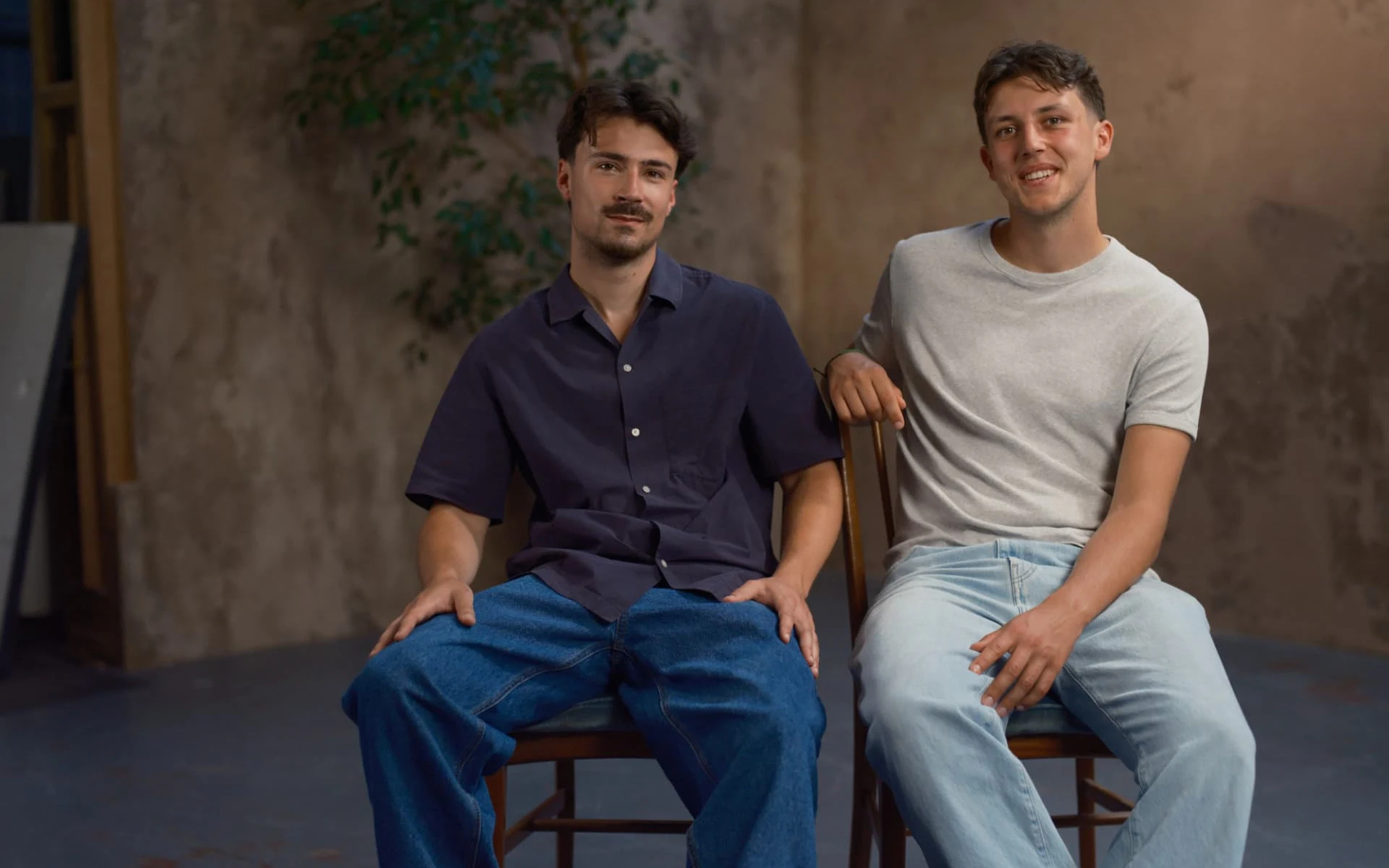
Quinten started working on the idea with his father but quickly decided to bring on a co-founder to help commercialize their vision. He knew exactly who to call: Jef Janssens.
Quinten had met Jef years earlier at school. They were close friends, and by their own accounts, perhaps not the pair teachers most wanted sitting together. But whenever they had a project to tackle, something clicked.
Quinten called him in December 2023. By January 2024, Jef was working full time on WeGlow. Neither of them came from a technical background, so they did what seemed logical: they hired people who knew how to build software.
 WeGlow
"That was the moment everything changed for WeGlow. We could really start building what we were dreaming of."
It was expensive. It was slow. And what came back wasn’t what Quinten had imagined. Their first minimum viable product didn’t work, and bringing their idea to life was taking longer and costing more than they could afford.
“We found ourselves at a crossroads with no more funding to continue working with the development agency, and no clear path forward,” Quinten says.
Quinten and Jef eventually got a basic version of WeGlow into nonprofits’ hands by offering the first 10 customers lifetime access to the product for a one-time fee, including early access to new feature releases. This early version centered on a simple idea: a donor could give to a cause and light a virtual candle alongside their donation, turning a donation into something visible and personal. Each candle would appear on the map with the others.
The idea resonated with nonprofits, but their conversations revealed a bigger problem.
“We were pretty young, and we were pretty naive,” Jef says. “These charities loved the idea, but it was a fun feature, not a product they’d pay for.”
From pitching an idea to listening to a problem
So Quinten and Jef stopped pitching and started asking questions. They spoke with nonprofits about how they raised money, what tools they used, and where those tools fell short. Again and again, they heard about software that was too expensive, too technical, or poorly suited to smaller organizations. Free fundraising platforms came with their own tradeoffs around money and donor data.
“Our mission is still to glow the world, but we also saw the problem nonprofits were having because they couldn’t get the right technical tools,” Quinten says. “We want to give every nonprofit the right tools to start fundraising.”
The original idea didn’t disappear, but Quinten and Jef had stumbled into a bigger problem worth solving. WeGlow could make the act of giving feel more personal while offering nonprofits better ways to do the work behind it. There was just one problem: the business idea was becoming more complex, and Quinten and Jef still didn’t have a technical team to build it.
The five-minute experiment
One day, Jef was scrolling LinkedIn when he discovered Lovable, a product that lets people build their own apps. As the least technical person on the team, he thought he should check it out.
He opened Lovable and started describing what he wanted. Within minutes, he had an interactive sales dashboard. It wasn’t supposed to be serious, and it certainly wasn’t supposed to work that quickly.
“I walked over to Quinten’s desk to see if it could be interesting for what we were doing,” says Jef. “And I saw him have a little ‘aha’ moment as well.”
Quinten tried it himself, and within a day, he showed Jef what he had built on his laptop. WeGlow now had working donation campaigns where donors could light a virtual candle on a world map. Nonprofits could log in, create their own campaigns and accept donations through a direct Stripe integration. The user experience was also significantly better than anything they had built before.
“It was way more than we expected to have in a single day,” Quinten says.
The product they had spent nearly three years and almost €100K trying, and failing, to get right was suddenly something they could bring to life themselves. More importantly, they could keep iterating on their own, adding new features and fixing problems as they came up.
“That was the moment everything changed for WeGlow,” Quinten says. “We could really start building what we had been dreaming of because we had all the nonprofit feedback we needed. When we finally had Lovable, we knew exactly what to build.”
When the five-year vision arrives early
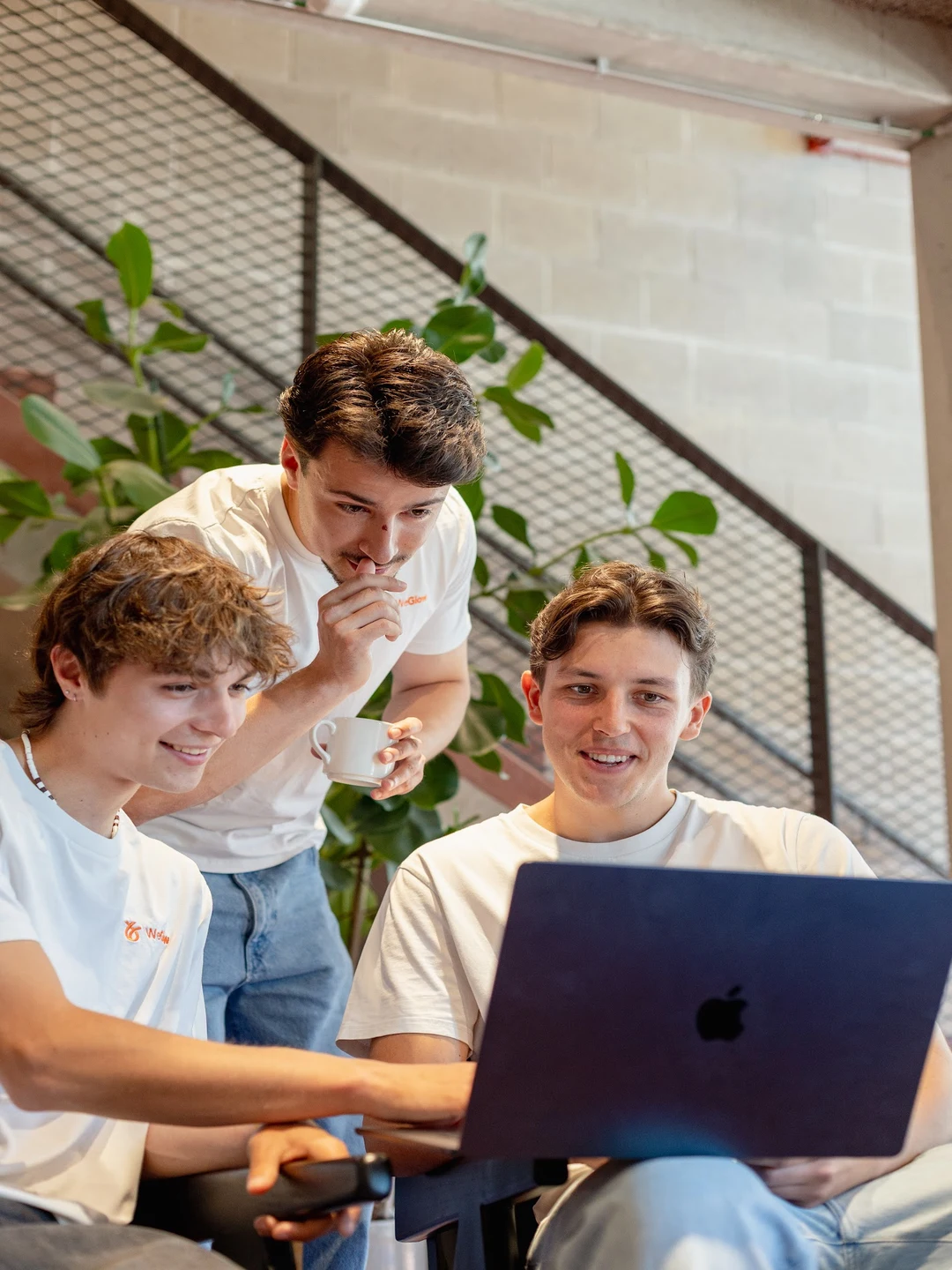
Once building became faster, so did learning. Quinten and Jef could hear a problem from a nonprofit, create something, put it in front of users, collect feedback, and keep going. The product started expanding around what nonprofits were actually asking for.
What began as a campaign platform grew into a complete fundraising toolkit, including:
- WeGlow Mail: After hearing from nonprofits struggling with the cost and complexity of email software, Quinten and Jef built an integrated email tool for newsletters and donor communication. Adoption was immediate. Two months in, nonprofits had already sent 50,000 emails.
- Donor CRM: WeGlow expanded beyond donations to help organizations manage donor information, build relationships, and better understand their supporters.
- WeGlow Auctions: After seeing nonprofits miss out on a proven fundraising format, Quinten and Jef built an integrated auction platform directly into the WeGlow dashboard. And in the first three auctions, nonprofits raised over €60,000.
- Glowy AI: WeGlow’s AI assistant helps nonprofits create campaigns, newsletters, emails, and other fundraising materials by describing what they want to achieve.
“We started out super small with just one feature, being able to build a campaign,” Jef says. “Then we just listened and optimized.”
The difference wasn’t simply that Quinten and Jef could build more. They could build alongside the people using WeGlow, testing ideas and responding to what nonprofits actually needed. The vision they once imagined taking five or 10 years to reach suddenly felt much closer. And as the platform grew, the candles kept appearing.
Seeing how far a candle can go
Some candles light up close to home. Others travel surprisingly far. A campaign with a Dutch radio station brought candles from the Netherlands, Belgium, the UK, Germany, Spain, and beyond. Quinten has watched support for other campaigns appear from Mexico, Jamaica, and Australia.
“Sometimes it’s really crazy to see how far a candle can go,” says Quinten. “And how many people will support a campaign if they can really connect to it.”
A candle can signify remembrance or good luck. It can mark a birthday, show solidarity, or simply say, “I’m thinking about you.”
For Jef, that universality was part of what made Quinten’s idea compelling from the beginning. “In every culture or country, you can understand the idea of lighting a candle and bring it back to some form of solidarity.”

“My dad’s idea is where WeGlow started. But now all the feedback from nonprofits using WeGlow is the biggest motivation I have to keep going.”
WeGlowMore than 35,000 of those gestures have now appeared on WeGlow’s map, helping raise more than €1.3 million. Quinten’s father still follows what the team is building, acting as an advisor from the sidelines. The map he once imagined is real. But for Quinten, the reason to keep building has grown along with it.
 Klar
Klar
 Saath
Saath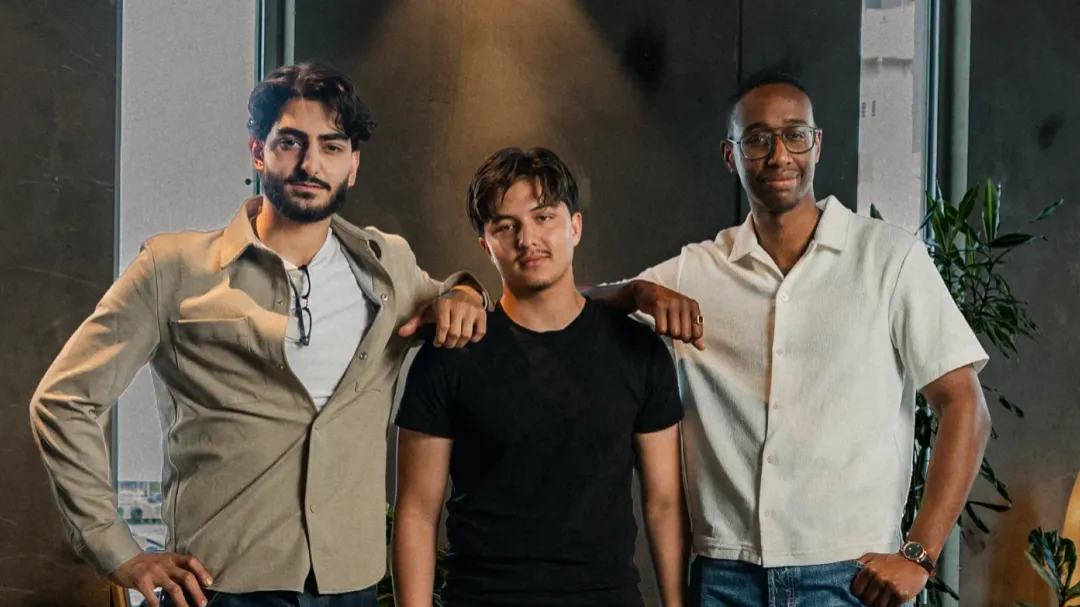
 QuickTables
 WNTD
WNTD
 AVARA
AVARA