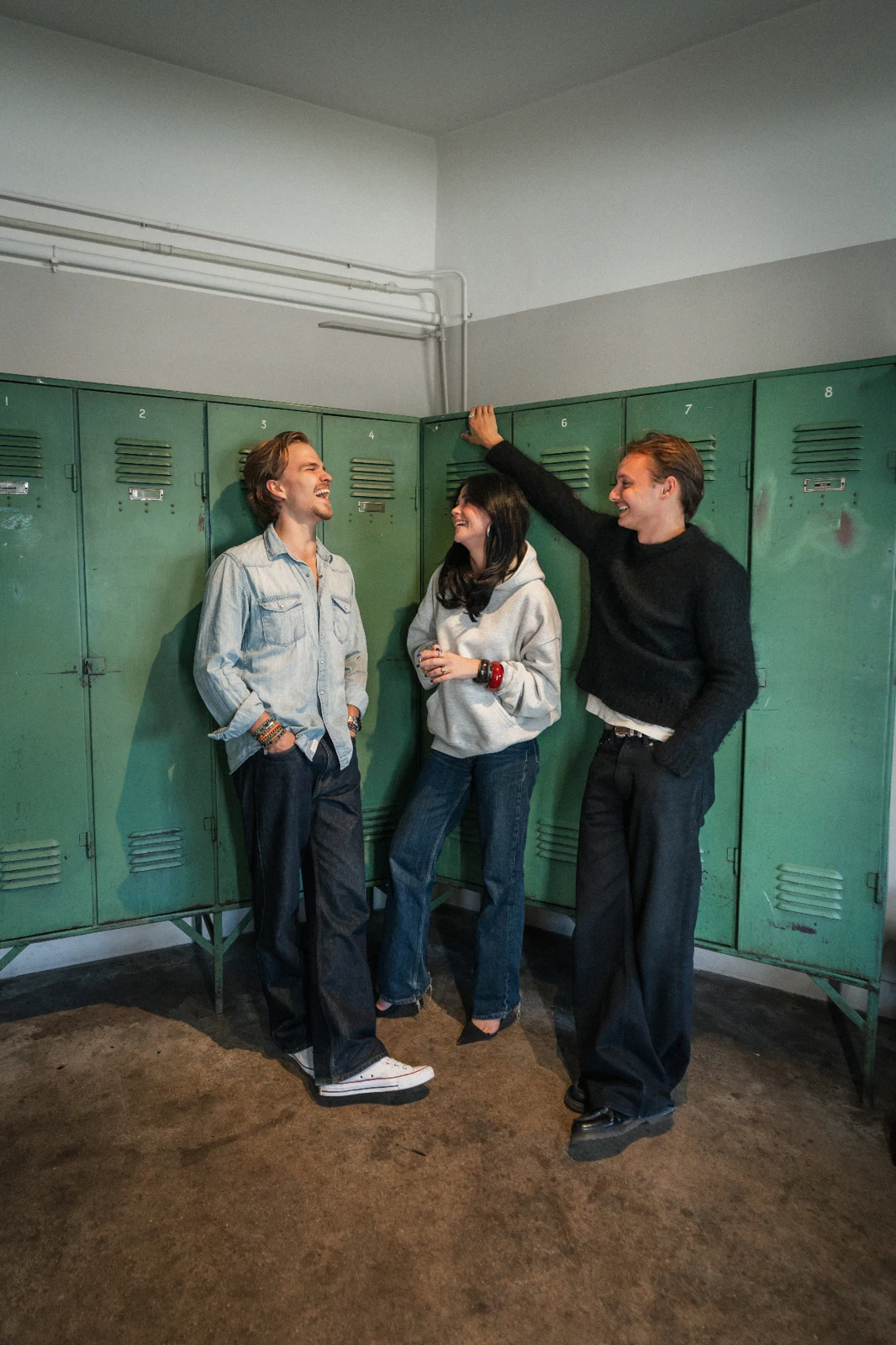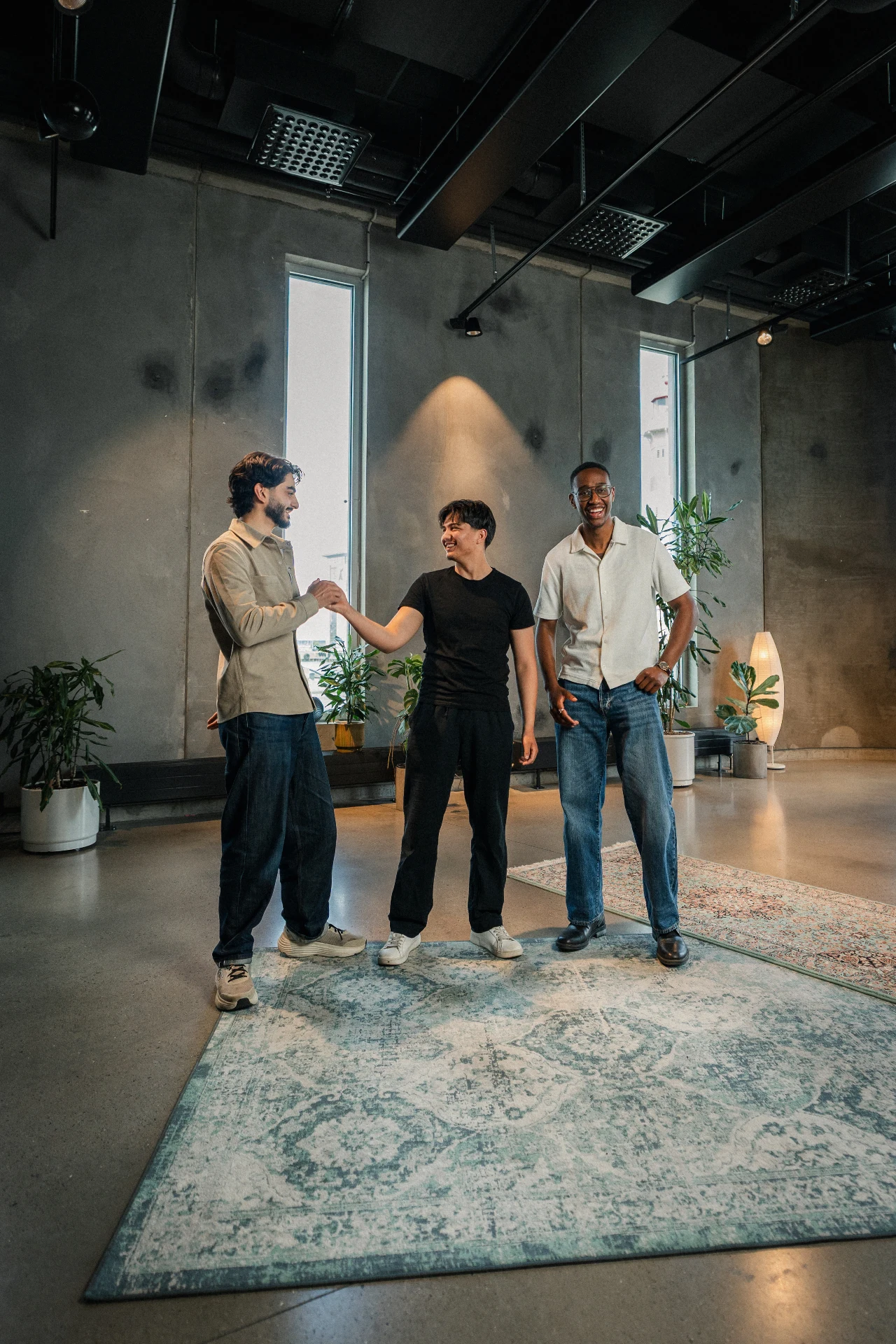
At age 23, Zain Hussain had already explored an unusual number of possible careers. He’d studied law, acted on an HBO television show, and even joined Monzo while the UK bank was still young.
Then Zain moved to San Francisco to build a company that would help banks combat scams with AI. The startup was growing, and investors were prepared to put another $250,000 behind it. But Zain walked away.
“You have to be obsessed with the problem,” he says. “I was kind of interested in the problem of scams, and when things got tough, it made me ask: Is this the thing I want to dedicate the next 10 or 20 years of my life to? Does it feel like an extension of who I am and my values?”
He knew it didn’t. Halfway through the funding round, Zain called the investors and turned down the money. He decided his next project needed to be something he was truly obsessed with.
Bringing his tech experience closer to home
Zain was born in London to parents who migrated from Pakistan. Growing up British Pakistani meant living between two identities and looking for places where both could comfortably coexist.
“You’re cheering for England in the World Cup, but then at home you’re eating biryani,” says Zain. “You’re living between these two identities, and you’re in search of those shared spaces.”
Zain felt the absence of those spaces acutely in San Francisco. He realized that community, identity, and his connection to South Asia were things he cared deeply about.
Then his best friend and eventual co-founder, Habeeb, told Zain how his community in Halifax would pool money to support one another when someone needed help. When Habeeb and Zain looked for a similar model that could bring together the South Asian diaspora to support local projects, they couldn’t find one.
Zain called Habeeb and suggested they build it themselves.
The vision: a community-led fund for projects in South Asia that fall between traditional funding systems. These businesses need ongoing capital rather than one-time donations, but aren’t designed for the scale that typically attracts venture investment.
 Saath
Saath"At the end of the day, we fund dreamers. We bring the community from around the world together to collectively fund those overlooked ideas."
Five months of building, stopped by one button
Zain and Habeeb knew how they wanted the community-led fund to work, but turning their idea into a functioning platform was another matter.
For five months, they pieced together different technology platforms to bring their vision to life. They had one solution for handling accounts, another for managing payments, a third for newsletters. The result was expensive and complicated, and still not what they had imagined.
Then, just 48 hours before launch, they hit a critical roadblock when their tech stack couldn’t accommodate a simple but important change: letting members choose between contributing £5 or £10 a month.
“We’d spent five months tinkering with different tools,” says Zain. “It was frustrating because we had such a big vision for what we wanted to do. We knew what we wanted to build; we just needed technology that could keep up with that vision.”
Zain and Habeeb looked for a platform that would give them more control. They wanted to build Saath exactly as they envisioned it, rather than shape their vision around the features offered by another platform. That search led them to Lovable.
“I just completely rambled,” says Zain. “This is what I want. These are the colors. This is the platform. And then, bam, everything I had in my head was exactly what popped up on the screen.”
Twenty-four hours later, Saath was live.
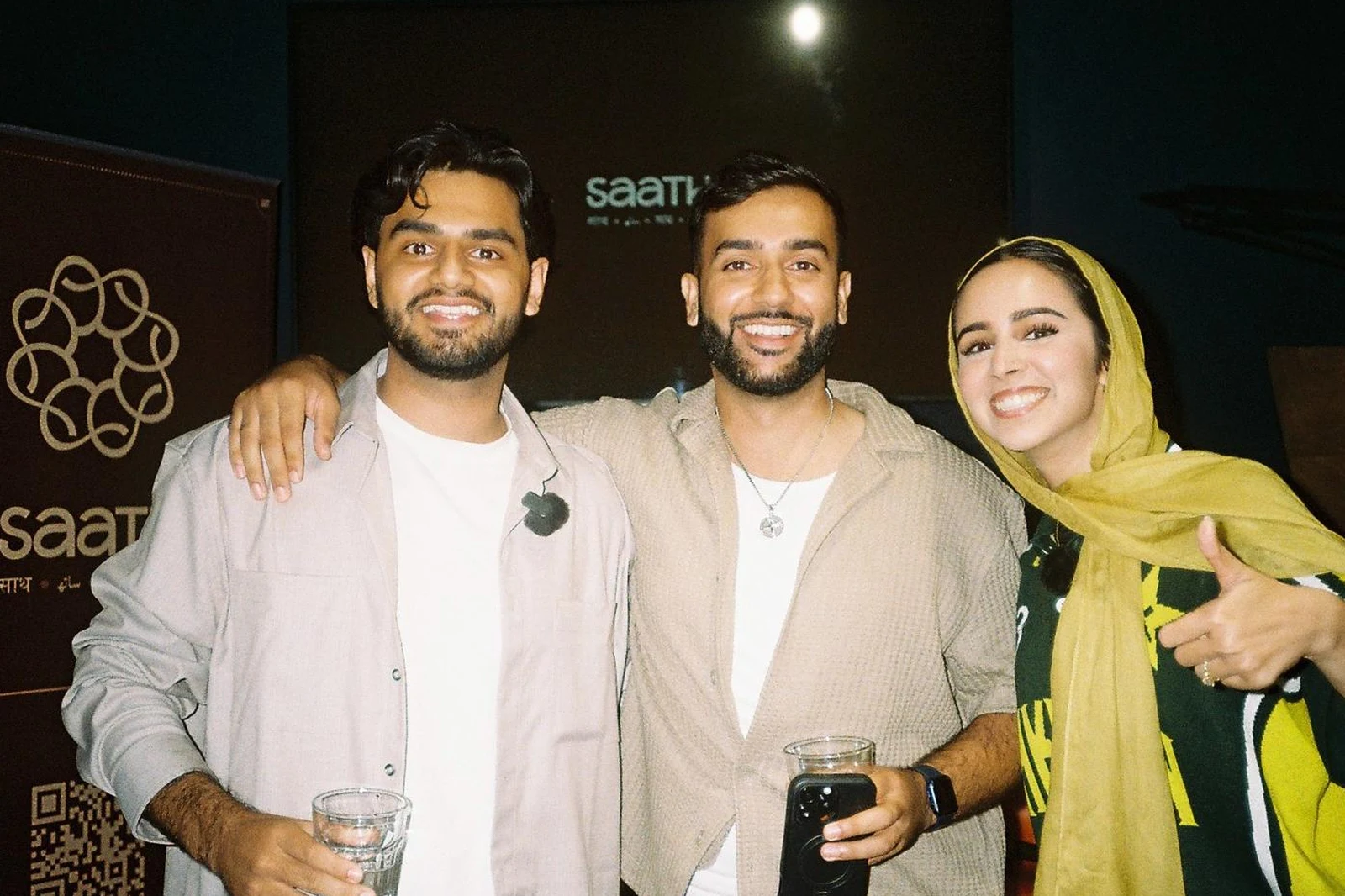
A fund where the donors make the decisions
Zain and Habeeb built Saath around a central idea: One-time donors shouldn’t disappear from the story. The platform they built with Lovable lets donors:
- Join and contribute: Members, known as Saathis, create accounts and contribute from £5 each month, with payments integrated through Stripe. New members receive a personalized welcome called a “roots receipt” reflecting where they live and their South Asian roots, which they can download as an image and share.
- Choose what gets funded: Organizations create profiles that tell their story through photos, videos, and project details, forming a funding pitch that Saathis can review before voting on which projects to support.
- See where the money goes: Saath’s public transparency dashboard shows the fund balance, contributions, funds deployed, and funded projects, with documents such as grant letters and legal agreements published openly.
- Follow projects over time: Members can see what happens after a grant is awarded rather than simply making a contribution and walking away. “You’re not just supporting a fund,” Zain says. “You are the fund.”
Building the platform was only the beginning. Zain started using Lovable as a creative partner to explore the brand’s visual identity and create everything from newsletters to animations and social assets.
“Lovable became our finance person, marketer, community manager,” says Zain. “Everything all at once.”
The way Zain sees it, every dollar saved on software is money that can go toward the people and projects Saath funds. “When I see a $100 software bill, I think about it as 20 Saathis’ contributions being spent on just one platform,” says Zain.
From £5 contributions to impact across South Asia
After Saath’s members completed their first vote, Zain called Binod, the founder of a girls’ football academy in Pokhara, Nepal, to tell him his project had been chosen for funding.
“Telling him he’s got the grant and seeing his reaction is the best feeling in the world,” says Zain. “We can go from just this idea we had in our notes to actually transforming people’s lives, not just once, but for many years to come.”
Then Zain saw the football academy itself. Girls who previously had few opportunities to play were running across a pitch wearing shirts bearing the Saath logo.
“We started this from behind our laptops, never imagining it would grow into a football academy halfway around the world,” says Zain. “Seeing it become something real in a place we’d never even been was surreal.”

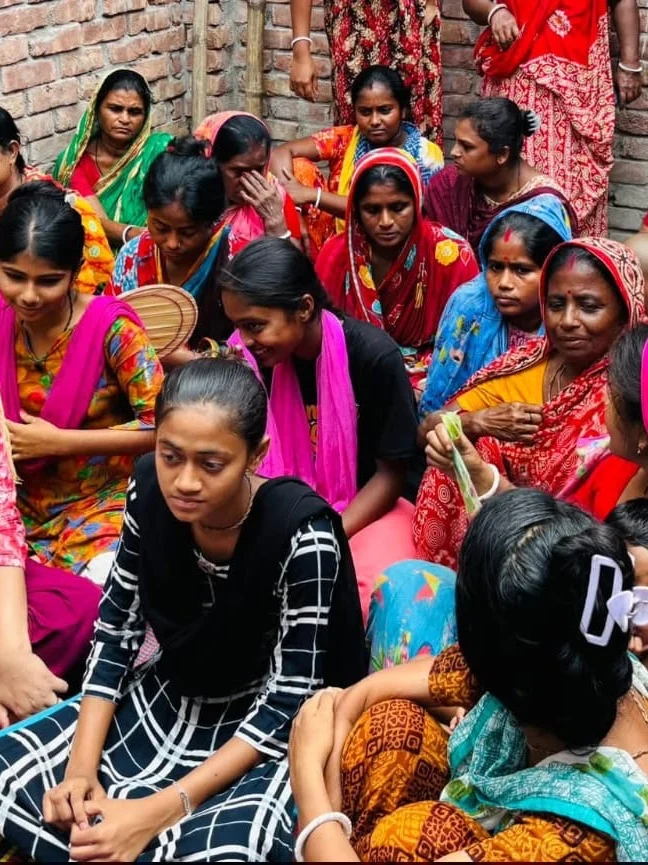
Less than a year after launching, Saath has grown to 150 members worldwide and deployed £10,000 in grant funding. Its community spans the UK, New Zealand, Canada, the Middle East, and the U.S.
Beyond the football academy, Saath is supporting other overlooked ideas across South Asia. In Bangladesh, Saath has supported an academy where craftswomen turn discarded materials into bags and develop new income streams. A £3,000 grant for a digital literacy initiative in the Indian Himalayas will fund 100 scholarships, helping local producers learn to manage more of the commercial journey themselves, from making a product to selling it online.
That reach has changed how Zain thinks about who gets to build ambitious ideas in the first place.
“You can be in the mountains with 2G and build an app, launch a store, or reach people in a country you’ve never even visited,” says Zain.
Saath began as a way to help turn locally led ideas into something real. Zain sees the potential to support even more kinds of dreamers, from social entrepreneurs to artists and storytellers, as the community grows.
There’s a parallel in Zain’s own journey. He built Saath to give overlooked dreamers a better chance to pursue their ideas. Building with Lovable gave Zain more freedom to focus on the vision for Saath instead of what their existing tools would allow them to build.
“For me personally, it feels kind of limitless,” Zain says. “I’m not really thinking about what product we can or can’t build anymore. It’s more about what the dream is and how we make it happen.”
 Klar
Klar
 WeGlow
 QuickTables
 WNTD
WNTD
 AVARA
AVARA